

Sequence Blog
Welcome to the Sequence Blog, where we share practical insights, technical expertise, and innovative thinking across structural, civil, and seismic engineering projects.

Stress Relaxation Cracking: The Silent Threat in High-Temperature Stainless Steel Systems
Stress Relaxation Cracking (SRC) remains one of the least understood, yet most costly damage mechanisms in high-temperature process industries. It is often misdiagnosed, overlooked during inspection, or confused with other forms of intergranular cracking. Recent work by Sequence Computational Engineering sheds light on the mechanisms driving SRC in austenitic stainless steels and how material behaviour under stress and temperature leads to long-term failure.
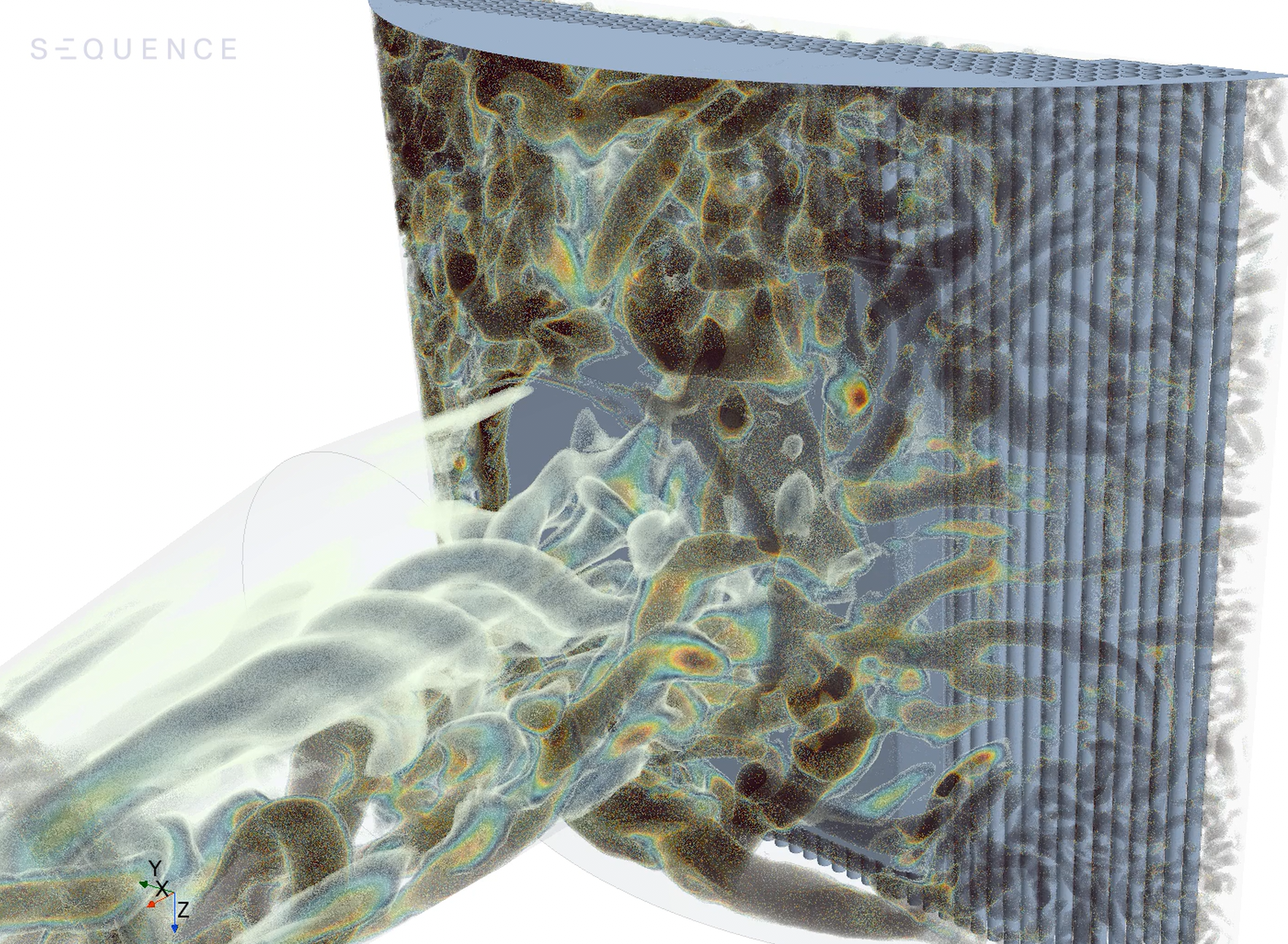
Re-rating a Refining Column Steam Re-boiler: Connecting CFD-Derived PSDs with Frequency-Domain Fatigue Assessment
Re-rating process equipment is rarely a simple matter of increasing flow and checking capacity. In dynamic systems, especially those exposed to complex two-phase or high-energy flow environments, the limiting factor can be vibration-driven fatigue rather than steady-state strength.
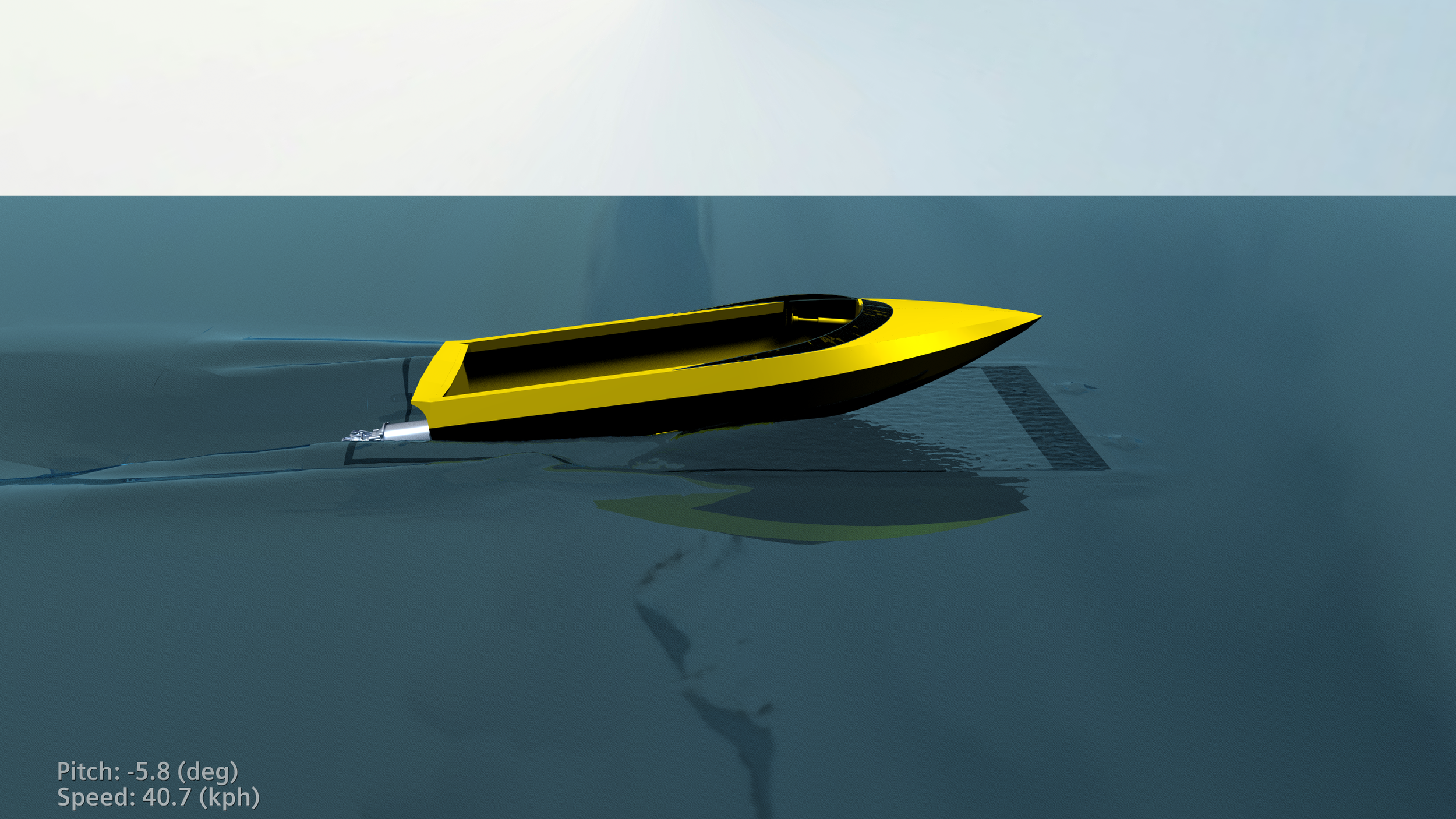
From Instability to Performance: Jet Boat Optimisation Using CFD
This case study demonstrates how advanced STAR-CCM+ CFD was used to analyse jet boat hull instability caused by cavitation and air ventilation. Using multiphase VOF and 6DOF motion modelling, engineers identified the root causes of unsteady behaviour and enabled a simulation-driven redesign to improve stability and hydrodynamic performance.
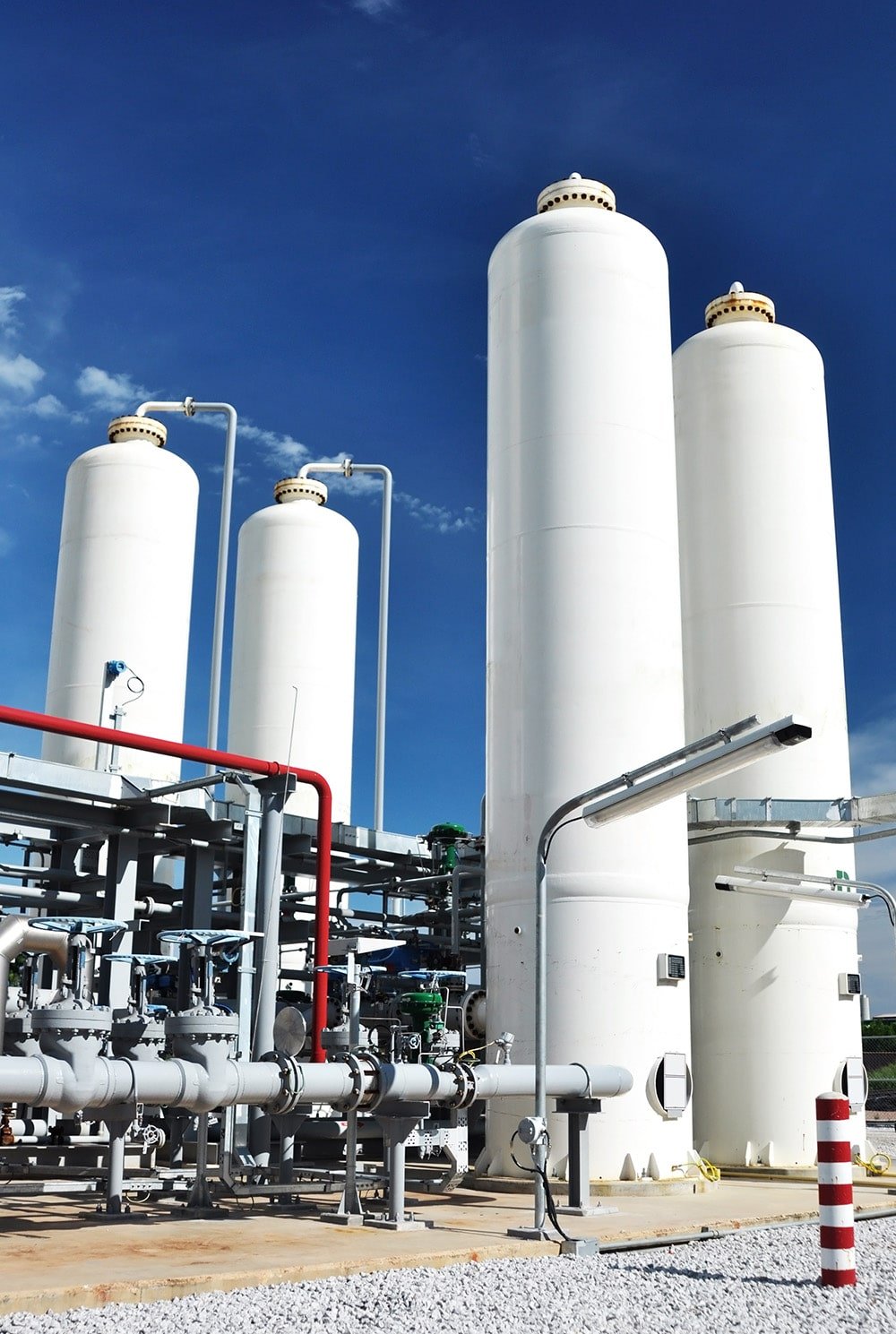
Weld Peaking in PSA Vessels: The Hidden Integrity Risk
It is important to understand the impact that longitudinal weld peaking has on the fatigue performance of pressure vessels that operates in cyclic service.
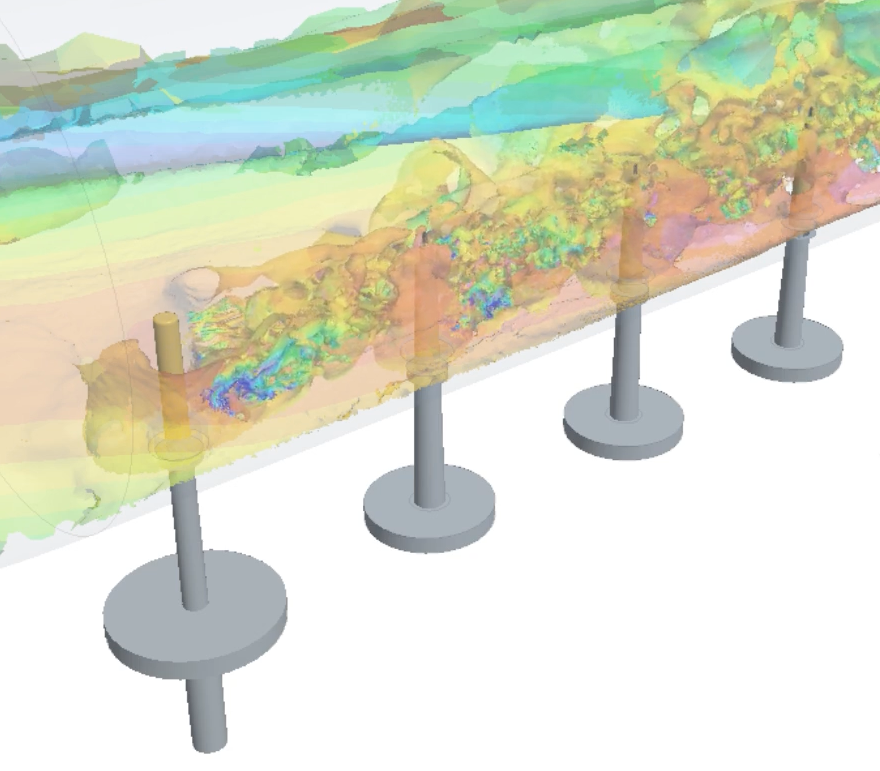
Cracking the Code of Flow-Induced Vibration: How Coupled Simulation Solved a High-Pressure Challenge
When engineers push process plants to higher capacities, unseen forces can quietly threaten the integrity of critical components. One such challenge—flow-induced vibration (FIV)—can turn an apparently minor design oversight into a costly reliability issue. At Sequence Computational Engineering, we recently tackled this head-on using coupled Multiphysics simulation, blending Computational Fluid Dynamics (CFD) and Finite Element Analysis (FEA) into a powerful diagnostic and design tool.